
Point Spread Betting Mastering the Handicap
 Available in US
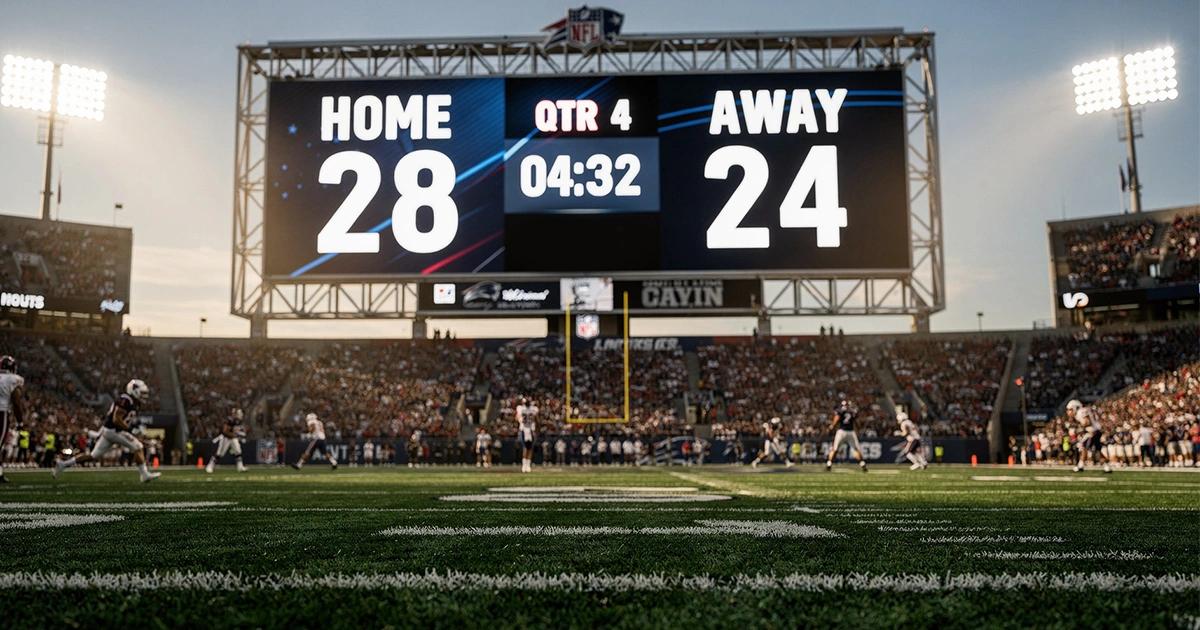
Point spread betting transformed sports wagering from a simple exercise in picking winners to a nuanced contest of margins and expectations. Invented by Chicago math teacher Charles McNeil in the 1940s, the spread created a way to make lopsided matchups compelling for bettors by handicapping the favourite and giving the underdog a virtual head start. Instead of merely asking who will win, the spread asks a more interesting question: by how much?
The genius of spread betting lies in creating roughly 50/50 propositions from inherently unequal contests. When the Kansas City Chiefs face a struggling opponent, betting on Kansas City to simply win might offer -400 odds – risking $400 to win $100 because the outcome seems nearly certain. But betting on Kansas City to win by more than 10 points creates genuine uncertainty. Can they cover that margin, or will they win comfortably but not dominantly? This transformation makes every game worth betting regardless of the talent disparity.
Spread betting dominates American football and basketball wagering precisely because these high-scoring sports produce meaningful margins. Unlike baseball or hockey where most games finish within a run or goal, football and basketball regularly see double-digit victory margins. This scoring variance creates a rich canvas for handicapping – analysing not just who will win, but how convincingly they will do so.
Table of Contents
Understanding the Spread
The point spread represents the bookmaker’s expectation of the margin of victory. When the Green Bay Packers are listed at -7 against the Detroit Lions (+7), the market expects Green Bay to win by approximately seven points. To bet the Packers successfully, they must win by more than seven – an eight-point victory or greater. To bet the Lions successfully, Detroit must either win outright or lose by six points or fewer.
The minus sign indicates the favourite who must overcome the handicap. The plus sign indicates the underdog who receives the handicap. Think of it as the spread being subtracted from the favourite’s final score or added to the underdog’s final score to determine the betting result. If Green Bay wins 28-24, their adjusted score is 21 (28 minus 7), which falls short of Detroit’s adjusted 24 – Lions bettors win despite Detroit losing the actual game.
Half-point spreads like -7.5 eliminate the possibility of a push (tie). If the spread is exactly 7 and the favourite wins by exactly 7, all bets are refunded since neither side covered. Adding the half-point ensures a decisive outcome on every bet. Bookmakers generally prefer half-point spreads for this reason, though whole numbers remain common, particularly around key numbers like 3 and 7 in football.
The vigorish or juice appears alongside the spread, typically -110 on both sides. This means you risk $110 to win $100 regardless of which side you bet. The vig represents the bookmaker’s commission and creates the house edge. With -110 juice on both sides, you need to win approximately 52.4% of your spread bets to break even – the 2.4% gap above 50% is what funds the sportsbook’s operation.
Covering the Spread
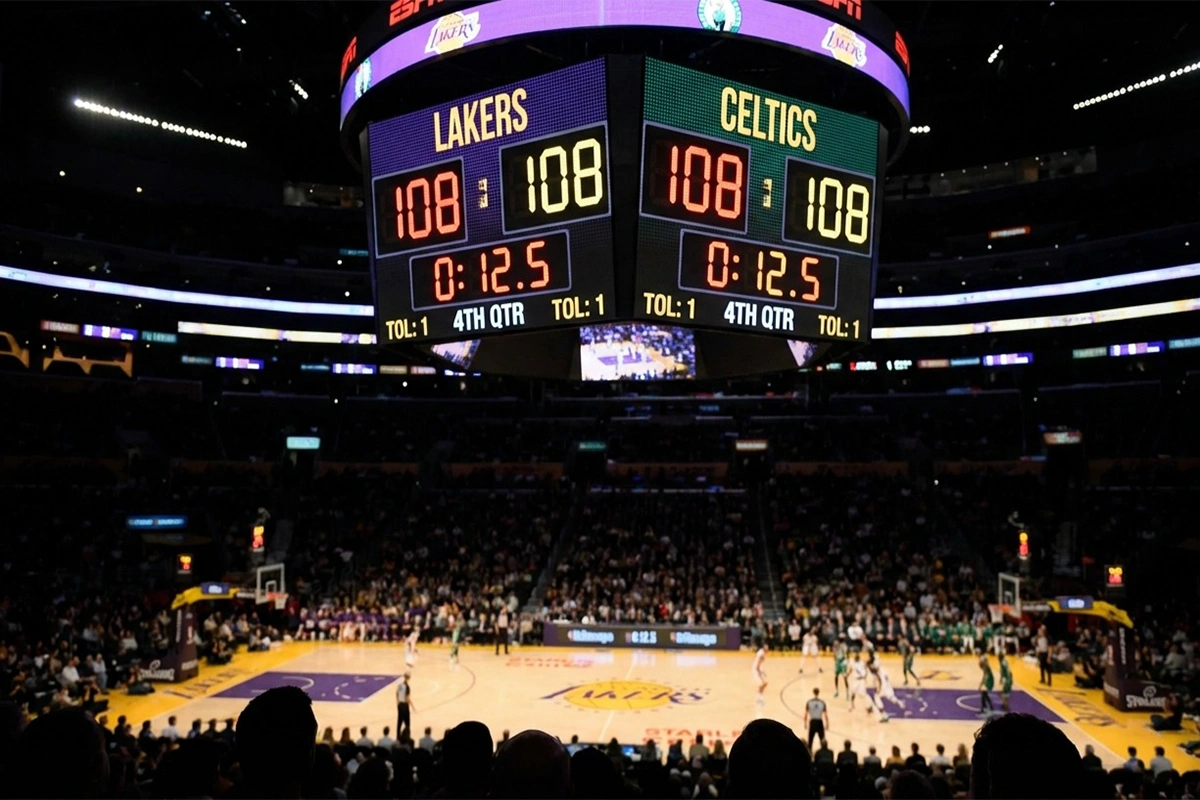
The phrase “covering the spread” describes a bet that wins after applying the handicap. Favourites cover by winning by more than the spread; underdogs cover by losing by less than the spread or winning outright. A team can dominate a game and fail to cover, or lose badly and still cover – the outcome of the bet diverges from the outcome of the game.
Consider the emotional complexity this creates. You bet on the Buffalo Bills at -3.5. They lead 24-7 in the fourth quarter, cruise to victory, and win 24-17. Despite Buffalo winning by seven points – a convincing margin by any normal standard – your bet loses because they needed to win by more than 3.5. The final garbage-time touchdown the opponent scored while trailing by 17 became the difference between a winning and losing bet.
Conversely, backing an underdog produces situations where you celebrate despite your team losing. If you take the Miami Dolphins at +6.5 and they lose 20-17, you win. Miami played competitively, kept it close, and covered despite not winning. This dynamic explains why spread betting creates different rooting interests than simply wanting a team to win – you care about margin as much as outcome.
Late-game scenarios frequently determine spread outcomes in ways disconnected from competitive merit. A team up by 20 in basketball might allow easy baskets in the final minutes as they protect the lead rather than extend it. A football team ahead by two touchdowns might kneel out the clock rather than score again. These strategically sensible decisions can devastate spread bettors who needed one more score to cover.
Spread Betting Across Sports
NFL spreads cluster around specific key numbers because of football’s scoring system. Field goals (3 points) and touchdowns with extra points (7 points) create natural margins. Approximately 15% of NFL games finish with exactly a 3-point margin, and another 9-10% finish at exactly 7. This concentration makes spreads of 3 and 7 particularly significant – a half-point around these numbers carries far more value than a half-point around, say, 5.
NFL spreads typically range from pick-em (0) to around 14 points, though larger spreads occasionally appear for extreme mismatches. The league’s competitive parity means double-digit favourites are relatively uncommon compared to college football, where talent disparities produce spreads exceeding 30 points. Professional bettors pay extreme attention to line movement around key numbers, as discussed elsewhere in this guide.
NBA spreads feature higher numbers due to basketball’s scoring volume. Double-digit spreads are routine, and favourites of 10-15 points appear regularly when elite teams host struggling opponents. The high-scoring nature means more variance in margins – a team can be down 15 with two minutes left and cut the deficit to 8 through intentional fouling and three-pointers. This late-game volatility makes NBA spread betting feel particularly unpredictable in closing minutes.
Basketball’s back-and-forth nature creates frequent lead changes and shifting margins throughout games. A spread that seems safe at halftime can evaporate during a third-quarter run, then restore itself in the fourth. Live betting opportunities abound as perceived probability shifts with each scoring exchange. The sheer number of possessions and shots means basketball spreads require tolerance for variance.
MLB run lines differ fundamentally from football and basketball spreads. The standard spread is fixed at 1.5 runs for virtually every game – favourites at -1.5, underdogs at +1.5. Because the margin is constant, bookmakers adjust prices rather than the handicap itself. A heavy favourite might be -1.5 at -180 (risk $180 to win $100), while the underdog sits at +1.5 at +150 (risk $100 to win $150). The pricing reflects the likelihood of covering the fixed spread.
NHL puck lines work identically to baseball run lines – a fixed 1.5-goal spread with adjustable pricing. Hockey’s low-scoring nature means a 1.5-goal margin represents a substantial portion of typical game scoring. Favourites frequently win by exactly one goal, making the -1.5 difficult to cover despite winning the game. Empty-net goals in the final minute can swing puck line outcomes dramatically, adding a random element to the final seconds.
Spread Betting Strategy
Successful spread betting requires assessing not just who will win, but by how much – and comparing your assessment to the market’s expectation. A team you believe will win by 10 represents value if the spread is 7, but poor value if the spread is 13. The gap between your projection and the line determines whether a bet makes sense.
Against-the-spread (ATS) records provide historical context but require careful interpretation. A team that has covered their last eight spreads might seem like a reliable bet, but the market adjusts to these trends. If public money piles onto a team with a hot ATS record, the spread may widen to the point where covering becomes harder. Past ATS performance does not guarantee future results because lines continuously recalibrate.
Situational analysis often matters more than raw team quality for spread purposes. A team on a long road trip might be physically fatigued regardless of their talent. A team coming off an emotional rivalry game might be flat in a subsequent matchup against a lesser opponent. A team with nothing to play for late in the season might underperform their typical standard. These situational factors affect margin more than they affect win probability.
Line shopping is non-negotiable for serious spread bettors. A half-point difference might not seem significant, but over hundreds of bets, consistently getting -6.5 instead of -7 makes a substantial difference. Maintain accounts at multiple sportsbooks and always compare lines before betting. The extra minute spent finding the best number pays dividends across your betting lifetime.
Teaser bets allow you to buy additional points in exchange for reduced payouts, typically in parlays. A standard six-point teaser lets you move each spread by six points – turning a -7 into a -1, for example. Teasers make most sense when you can cross key numbers with the adjustment, particularly in football where moving through 3 and 7 dramatically improves your chances. Buying from +1 to +7 captures both key numbers and represents one of the more mathematically sound teaser strategies.
Common Mistakes

Confusing winning with covering: Your team can win and you can still lose. Internalise this reality before spread betting. The emotional disconnect between game outcome and bet outcome frustrates many recreational bettors who cannot separate the two. If you cannot handle watching your team win while losing your bet, spread betting may not suit your temperament.
Ignoring late-game dynamics: Spread outcomes are determined in the final minutes with surprising frequency. Garbage time, intentional fouling, kneeling out the clock, empty-net goals – these strategically rational decisions dramatically affect spreads. Consider how games typically end when assessing whether a spread is likely to be covered.
Overvaluing public teams: Popular franchises attract disproportionate betting action from casual bettors. This pushes their spreads wider than warranted, creating value on their opponents. Fading public favourites, particularly in nationally televised games where casual money floods the market, represents a time-tested contrarian approach.
Chasing after losses: A spread bet lost in heartbreaking fashion tempts revenge betting – doubling down to recover losses quickly. This emotional response leads to poor decision-making and expanded losses. Spread betting produces variance; accepting this and maintaining consistent stake sizes prevents spiral losses.
Betting every game: Not every spread offers value. Sometimes both sides look equally likely to cover, or the market has priced the matchup efficiently. Selectivity improves results – betting only when you identify genuine edge rather than forcing action on every available game. The ability to pass on marginal situations separates profitable bettors from recreational losers.
Point spread betting rewards those who think about games in terms of margins rather than simple wins and losses. The mental shift from “will they win?” to “will they win by enough?” opens analytical dimensions that pure moneyline betting does not require. Master this perspective, and you unlock the most popular form of American sports wagering.