
Responsible Gambling Setting Limits and Staying in Control
 Available in US

Sports betting is entertainment. This fundamental truth gets obscured when conversations focus on strategy, edge, and profit – but it remains essential. The vast majority of bettors will lose money over time because the house edge ensures this outcome. Even successful bettors experience extended losing periods due to variance. Approaching betting as entertainment rather than income, and implementing safeguards to keep it enjoyable, is the foundation of sustainable participation.
Responsible gambling means maintaining control over your betting activity so it remains a positive part of your life. It means setting limits before problems develop, recognising warning signs when control slips, and knowing when and how to seek help. The strategies discussed throughout this series – bankroll management, emotional control, disciplined decision-making – all serve responsible gambling. This final article addresses the topic directly, providing a framework for keeping betting in its proper place.
The goal is not to discourage betting but to ensure it remains what it should be: an enjoyable enhancement to sports viewing, not a source of stress, financial hardship, or damaged relationships.
Table of Contents
Setting Limits
Financial limits represent the first and most important safeguard. Before placing any bet, determine how much money you can afford to lose entirely. This is not your betting bankroll – it is the maximum amount whose complete loss would not meaningfully impact your life. Rent money, bill money, savings for important goals – none of this belongs in a betting account.
Establish deposit limits on your sportsbook accounts. Most regulated operators provide tools to cap how much you can deposit daily, weekly, or monthly. Setting these limits when you are thinking clearly prevents impulsive behaviour during emotional moments. You cannot deposit money you have already decided not to risk.
Loss limits work similarly, capping how much you can lose in a given period. When the limit is reached, betting stops regardless of how you feel or what opportunities seem available. These predetermined stops remove real-time decision-making from situations where judgment is compromised.
Time limits address the psychological aspects of betting. Extended sessions lead to fatigue, impaired judgment, and diminished enjoyment. Setting limits on how long you will bet – per session or per day – ensures you step away regularly to reset mentally and evaluate your activity objectively.
Reality check features, available on most regulated platforms, remind you how long you have been betting and how much you have wagered. These interruptions create moments of reflection that continuous betting does not provide.
Betting limits govern the structure of your wagering. Unit-based staking, discussed in bankroll management, is itself a form of limit-setting. Committing to never exceed a certain percentage of bankroll on any single bet prevents catastrophic losses from single bad outcomes.
Limits on bet types can also help. Perhaps you decide not to bet parlays because their high house edge conflicts with your goals. Perhaps you avoid live betting because its fast pace leads to impulsive decisions. Knowing your vulnerabilities and building limits around them maintains control.
Warning Signs

Problem gambling develops gradually. Recognising early warning signs allows intervention before serious harm occurs.
Financial indicators include betting with money allocated for essential needs, borrowing to gamble, hiding gambling expenses from family, or experiencing financial stress directly caused by betting. If you cannot pay bills because of gambling losses, or if you are prioritising betting over financial obligations, these are serious warning signs.
Behavioural changes include thinking about betting constantly, needing to bet with increasing amounts to achieve the same excitement, and lying to others about gambling activity. Irritability when not betting, or when trying to cut back, suggests psychological dependence.
Chasing losses is particularly dangerous – the pattern of betting more after losing, trying to recover previous losses. This behaviour almost always accelerates losses rather than recovering them, and its presence indicates compromised control.
Impact on relationships and responsibilities may be the clearest indicator. If betting interferes with work, damages relationships, or causes you to neglect important obligations, the activity has exceeded appropriate boundaries regardless of financial impact.
Denial accompanies many of these signs. Minimising losses, exaggerating wins, and convincing yourself that the next bet will solve everything are psychological defences that prevent honest self-assessment. If people close to you express concern about your gambling, take their perspective seriously rather than dismissing it.
Self-Assessment Questions
Honest self-reflection helps identify problems before they escalate. Consider:
Do you bet more than you can afford to lose? Do you feel restless or irritable when trying to reduce betting? Have you tried to cut back but been unable to? Do you use betting to escape problems or relieve negative moods? After losing, do you return to “get even”? Do you lie to family or friends about how much you bet? Have you jeopardised relationships, education, or work because of betting? Do you rely on others to provide money to resolve financial crises caused by betting?
Answering “yes” to several of these questions suggests gambling may be becoming problematic. This is not a formal diagnosis but an indication that seeking professional assessment may be warranted.
Protective Strategies
Treat betting as entertainment expense. Budget a fixed amount for betting entertainment, similar to budgets for dining out or concerts. When that entertainment budget is depleted, stop – just as you would stop dining out when that budget was exhausted.
Keep betting separate from life finances. Use a dedicated account or e-wallet for gambling. This separation creates clarity about how much you are risking and prevents betting from mixing with essential funds.
Set rules in advance and follow them. Predetermined limits – financial, temporal, situational – remove real-time decision-making from emotional contexts. Decisions made when calm are better than decisions made while tilted.
Take regular breaks. Extended betting sessions lead to poor decisions. Schedule breaks during sessions and days off from betting entirely. The markets will exist when you return.
Avoid betting while impaired. Alcohol, fatigue, and emotional distress all compromise judgment. Establishing a rule against betting in these states prevents decisions you would not make with clear thinking.
Track everything. Record every bet including amount, result, and your emotional state. Regular review of this record reveals patterns that real-time experience obscures.
Self-Exclusion
Self-exclusion programmes allow you to voluntarily ban yourself from gambling for specified periods. Most regulated jurisdictions require operators to offer self-exclusion options, and multi-operator programmes can exclude you from all licensed operators simultaneously.
Self-exclusion is appropriate when you recognise that you cannot control your gambling through less drastic measures. It creates an external barrier when internal willpower is insufficient. The process typically involves completing a form that registers you with gaming regulators and individual operators, who then prevent you from accessing your accounts or opening new ones.
Self-exclusion is not a complete solution – enforcement has limitations, and determined individuals sometimes circumvent it – but it represents a significant step toward regaining control. Combining self-exclusion with professional treatment increases effectiveness.
Cooling-off periods offer a less permanent alternative. Most operators allow you to temporarily suspend your account for days, weeks, or months. Unlike self-exclusion, cooling-off periods are typically reversible before expiration, but they provide breathing room to reassess your relationship with betting.
Support Resources
If you or someone you know is struggling with gambling, help is available.
National Problem Gambling Helpline (US): 1-800-522-4700, available 24/7, providing confidential support, referrals, and resources.
Gamblers Anonymous offers peer support through meetings and a twelve-step programme modelled on Alcoholics Anonymous.
National Council on Problem Gambling provides educational resources, treatment directories, and advocacy for responsible gambling.
GamCare (UK): 0808-8020-133, offering support, information, and counselling for gambling problems.
Many jurisdictions have specific problem gambling programmes funded through gambling revenues. Your local regulatory body can provide information about available services.
Professional treatment for gambling disorder may include cognitive behavioural therapy, which addresses the thinking patterns underlying problematic gambling, and medication when co-occurring conditions are present. Treatment is effective, but only about one in ten problem gamblers seeks it – reducing stigma and encouraging help-seeking is essential.
For Friends and Family
If you are concerned about someone else’s gambling, your support matters. Express your concerns without judgment – focus on specific behaviours you have observed rather than attacking the person. Offer to help find resources without forcing participation.
Protect yourself financially if necessary. Do not provide money to cover gambling debts, as this enables continued gambling rather than encouraging change. Set boundaries around what you will and will not accept.
Gam-Anon provides support specifically for family and friends of problem gamblers, offering strategies for coping and maintaining your own well-being while supporting recovery.
Maintaining Perspective
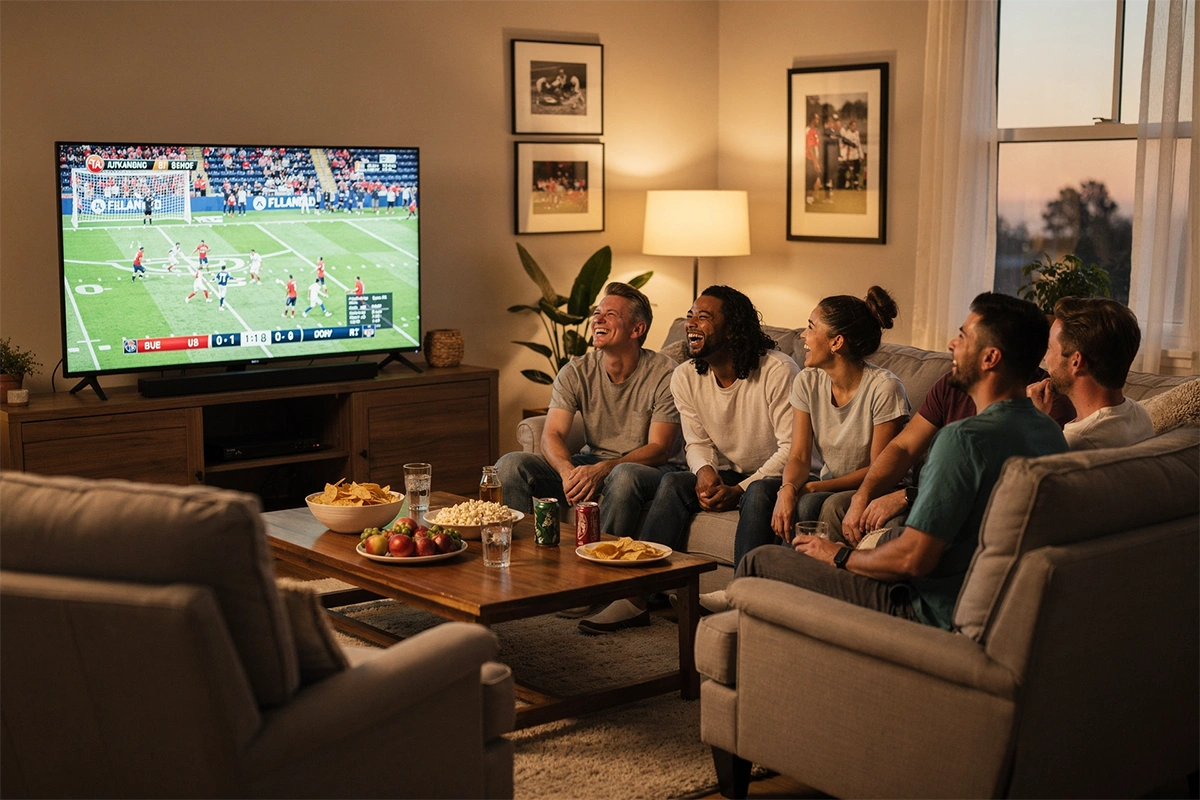
Sports betting should add enjoyment to sports viewing, not detract from life satisfaction. When betting is working properly, you can take it or leave it – a lost bet is disappointing but not devastating, a won bet is satisfying but not essential.
If betting has become something you need rather than something you enjoy, if losses cause disproportionate distress, if you cannot imagine watching sports without betting – these are signals that the activity has exceeded appropriate boundaries.
The strategies in this series – understanding odds, managing bankroll, controlling emotions – all serve responsible gambling by promoting thoughtful, controlled betting rather than impulsive or desperate wagering. But strategy cannot substitute for fundamental honesty about whether betting is enhancing your life or diminishing it.
The responsible bettor asks this question regularly and answers it honestly. When the answer indicates problems, they act – reducing betting, taking breaks, seeking help – before harm compounds. This self-awareness, more than any handicapping skill, distinguishes sustainable betting from destructive gambling.