
Live Betting How In Play Odds Work
 Available in US
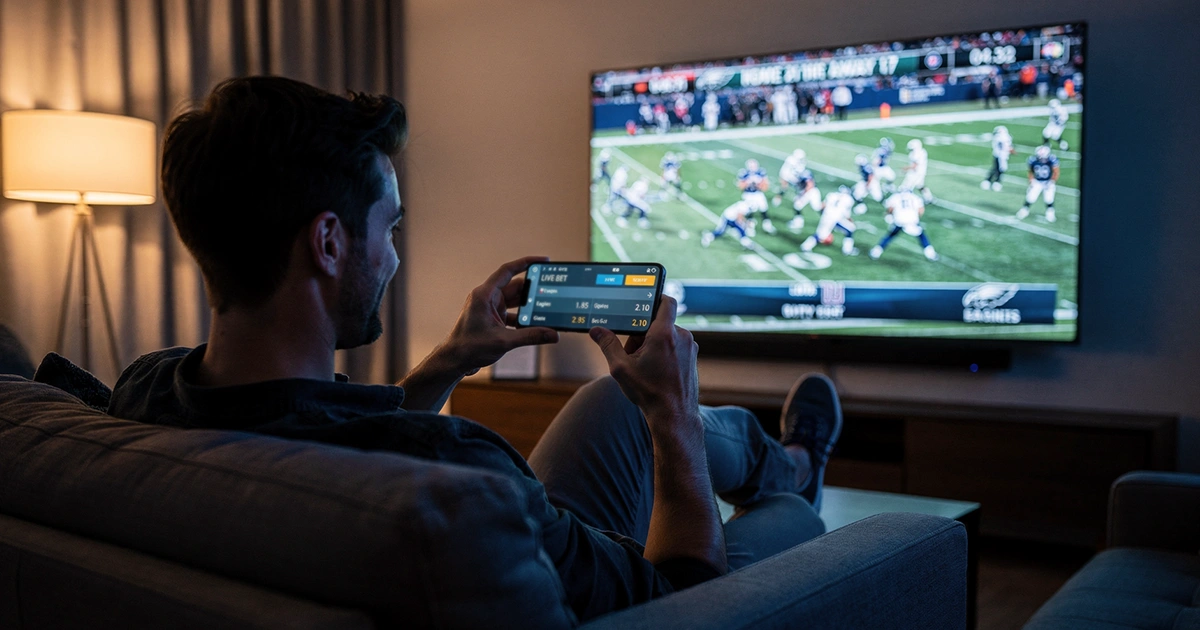
Live betting has transformed sports wagering from a pre-game activity into a continuous, dynamic engagement that spans the entire event. No longer must you lock in your opinions before kickoff and hope events unfold favourably. In-play betting allows wagers throughout a game, with odds adjusting in real time to reflect the evolving situation on the field. A favourite who falls behind early suddenly offers attractive plus-money; a total that seemed accurate before the game now looks obviously wrong after a high-scoring first quarter.
This revolution in betting structure creates opportunities that did not exist in the pre-game-only era. Bettors who watch games closely can identify situations where live odds lag behind reality – moments where what you are seeing on the screen has not yet been fully reflected in the market prices. The algorithms that set live odds are sophisticated but imperfect, and human observers with sport-specific expertise can sometimes spot value that computers miss.
However, live betting also introduces risks that pregame wagering does not. The speed of in-play markets rewards quick decisions but punishes impulsive ones. The constant availability of betting options encourages overactivity. The emotional intensity of watching your bet unfold in real time can overwhelm rational analysis. Understanding both the opportunities and dangers of live betting is essential for anyone venturing into this fast-moving market.
Table of Contents
How Live Odds Adjust
Live betting odds are generated by algorithms that process real-time game data and update prices continuously. These systems incorporate the score, time remaining, possession, field position, and various statistical inputs to recalculate probability estimates after each significant event. When a team scores a touchdown, the algorithm immediately adjusts the spread, moneyline, and total to reflect the new game state.
The adjustment happens faster than you might expect. Major sportsbooks typically freeze markets momentarily during scoring plays or other significant events, then release new odds within seconds. Between these dramatic moments, odds drift gradually based on time elapsed, game flow, and betting action. A team that has dominated possession without scoring might see their moneyline shorten slightly even before they actually take the lead.
The speed of adjustment varies by sportsbook and by event significance. Some books are faster than others; some freeze markets more liberally around potential scoring plays. Observant bettors learn which books react quickly and which sometimes offer stale lines. This knowledge creates opportunities – if you see a touchdown scored and one book has not yet frozen or adjusted, you might grab a favourable line before it disappears.
Television broadcast delays complicate live betting significantly. Most streaming and cable feeds run several seconds to a minute behind live action. Professional bettors with access to faster feeds – or those physically present at events – have informational advantages. Casual bettors watching standard broadcasts should be aware that the odds they see might already reflect events they have not yet witnessed.
Available Live Bet Types
Most bet types available before the game remain available during the game, though options typically narrow as the contest progresses. Spreads, moneylines, and totals are almost universally offered throughout play, adjusting continuously to reflect current score and time remaining. If a team opened as a 7-point favourite, they might be 14-point favourites after scoring early, or 3-point underdogs if they fall behind badly.
Game totals behave similarly. A basketball total that opened at 220 might climb to 235 after a high-scoring first quarter suggests an up-tempo game, or drop to 205 if defensive intensity exceeds expectations. Bettors who correctly assess pace and efficiency trends can find value in live totals when the market over-or-under-reacts to early scoring.
Period and half betting expand during live play. You can bet on second-half spreads, fourth-quarter totals, individual period outcomes, and similar segmented markets. These often provide value when early-game patterns might not continue – a team that dominated the first half might relax, or an underdog might adjust tactically.
Proposition bets and player props typically have limited live availability due to the complexity of updating them in real time. Some books offer next-scorer markets, next-drive outcomes, and similar micro-bets, but the selection is usually smaller than pregame prop menus. Same-game parlays with live components have expanded significantly, though correlation adjustments can make these expensive.
Strategic Advantages
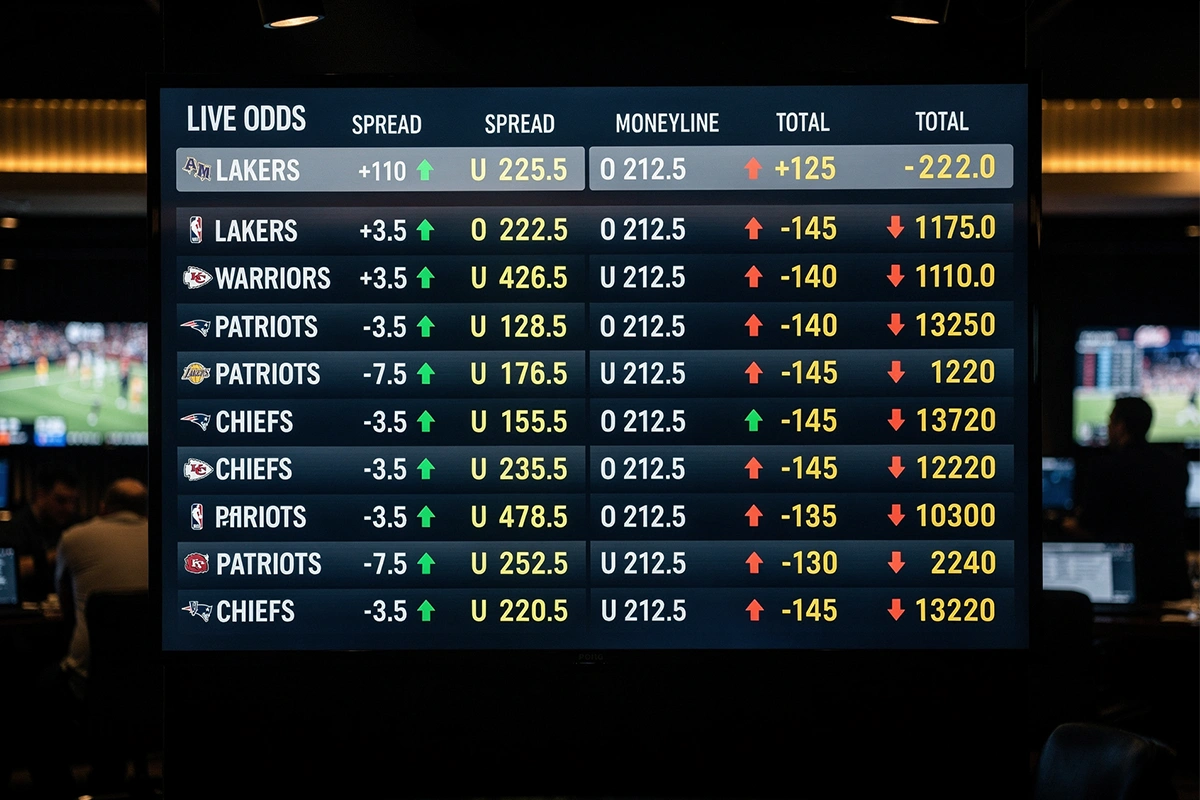
Reactive rather than predictive betting represents the fundamental advantage of live markets. Pregame betting requires predicting how a game will unfold based on historical data and analysis. Live betting allows you to observe how a game is actually unfolding before committing money. If your pregame analysis assumed a defensive struggle but the first quarter produces 35 combined points, you can adjust your approach accordingly.
Exploiting slow odds adjustments creates occasional value. Live odds are set by algorithms that sometimes lag behind what observant viewers can see. A team dominating possession and generating scoring chances might not yet be reflected in the spread if they have not actually scored. The momentum you observe on screen suggests a goal is imminent, but the odds have not yet moved. Acting before the algorithm catches up captures value.
Better prices on comebacks emerge when favourites fall behind early. A heavy pregame favourite that trails after one quarter might suddenly be available at plus-money. If you believe the talent disparity will eventually assert itself – and the early deficit reflects variance rather than genuine outplaying – the live odds offer better value than the pregame price. Many sharp bettors specialise in taking good teams at inflated odds after slow starts.
Reading game flow provides informational edge when you understand the sport deeply. If you notice a basketball team’s shots are rimming out despite good shot selection, regression toward the mean might produce a scoring burst soon. If a football team’s defence looks gassed and cannot stop the run, a total might be heading over despite a low first-half score. These observations require sport-specific expertise that general algorithms lack.
Strategic Disadvantages
Increased vigorish on live betting markets is nearly universal. While pregame spreads might be -110/-110, live spreads often carry -115/-115 or worse juice. Sportsbooks charge more for the privilege of betting in real time, reducing your expected value on each wager. The increased margin is the price of flexibility.
Time pressure leads to suboptimal decisions. Live markets move quickly, and the line you want might disappear while you are still considering the bet. This pressure encourages impulsive betting – grabbing available lines without adequate analysis because hesitation means missing the opportunity. Disciplined live bettors prepare scenarios in advance so they can act decisively when situations arise.
Emotional intensity heightens during live betting. Watching a game while holding a live bet creates heightened engagement that feels exciting but can compromise judgment. The temptation to chase losses with additional live bets, to “hedge” positions impulsively, or to keep betting simply because you are watching becomes difficult to resist. The entertainment value of live betting can override rational bankroll management.
Information disadvantage exists for most recreational bettors. Those with access to faster data feeds, stadium attendance, or professional-grade information sources have edges over casual viewers watching delayed broadcasts. If you see a touchdown on your television five seconds after professional bettors have already bet the adjusted line, you are systematically disadvantaged.
Sport-Specific Considerations
Football live betting benefits from the sport’s stop-start nature. Commercial breaks and timeouts provide natural windows for placing bets without time pressure. Key situations like third downs, red zone possessions, and two-minute drills create identifiable moments where live betting might find value. Weather effects sometimes become more apparent during games than forecasts suggested.
Basketball live markets move constantly due to high-scoring, continuous action. Scoring runs create dramatic odds swings – a team down 15 might suddenly be even after a 20-5 spurt. The challenge is distinguishing genuine momentum from normal variance. Late-game situations with intentional fouling can produce volatile point differentials that create spread and total opportunities.
Baseball live betting operates differently because of the discrete at-bat structure. Each plate appearance is a separate event with time for consideration. Pitching changes create significant live betting opportunities – a favourable bullpen matchup might make the new odds attractive. The long season and large sample sizes mean in-game situations often match historical patterns predictably.
Soccer live betting revolves around goals, which are relatively rare events that dramatically shift odds when they occur. The continuous action makes mid-play betting difficult, but natural stoppages (goal kicks, substitutions, halftime) provide windows. Expected goals data, available in real time, can indicate whether a team’s dominance is likely to produce actual goals soon.
Tennis provides perhaps the clearest sport for live betting because its scoring structure creates obvious momentum shifts. A player who loses serve faces significantly changed match odds. Fatigue, serving patterns, and mental state become visible during matches in ways that pregame analysis cannot capture. The one-on-one nature means momentum effects are more pronounced than in team sports.
Practical Approaches

Prepare scenarios in advance. Before watching a game you might bet live, identify situations where you would want to bet. “If the Chiefs fall behind by 7+ in the first quarter, I will look at their moneyline at +150 or better.” “If the game reaches 40 points by halftime, I will consider the over if it is not above 58.” Having these scenarios ready allows decisive action when opportunities arise.
Watch the game closely. Live betting rewards those who are actually watching, not just checking scores. Momentum, injuries, tactical adjustments, and player body language all provide information that affects probability. If you are not genuinely watching, you have no edge over the algorithms setting prices – and probably a significant disadvantage.
Resist overactivity. The constant availability of live betting options tempts continuous wagering. Just because you can bet every five minutes does not mean you should. Apply the same selectivity to live bets that you would to pregame bets. Wait for situations where you identify genuine value rather than betting simply because you are watching and bored.
Accept higher variance. Live betting outcomes are more volatile than pregame bets because you are betting on shorter time segments with less data. A pregame total covers the entire game; a live total in the third quarter covers only remaining minutes. This compressed timeframe means variance is higher and results less predictable.
Set strict limits. Before watching, determine how much you are willing to bet live on this particular event. When you reach that limit, stop – regardless of whether you are winning, losing, or see “obvious” opportunities. The emotional intensity of live betting makes it particularly dangerous without predetermined boundaries.
Live betting represents both opportunity and danger in amplified form. The potential to exploit inefficient real-time odds and react to observed information creates genuine edge for skilled, disciplined bettors. The speed, emotional intensity, and constant temptation create significant risk for those without proper preparation and self-control. Approach live markets with eyes open to both realities.