
Over Under Totals Smart Strategies for Betting Totals
 Available in US

Totals betting offers a refreshing escape from the fundamental question of sports wagering: who will win? Instead, over/under bets ask you to predict the combined scoring output of both teams, removing the need to pick sides entirely. This makes totals particularly appealing when you have a strong read on how a game will unfold stylistically but no conviction about the winner. A defensive slugfest between two evenly matched teams might present clear under value even when the spread looks like a coin flip.
The beauty of totals betting lies in its independence from game outcome. Both teams can contribute to your bet regardless of who ultimately wins. A basketball game finishing 115-112 produces 227 points whether the home team wins or loses. This neutrality creates analytical opportunities distinct from spread or moneyline handicapping. You are assessing pace, efficiency, weather, and matchup dynamics rather than relative team strength. The skillset overlaps but is not identical.
Totals have become increasingly popular as betting markets mature. The volatility of modern offences – particularly in basketball and football – creates dramatic scoring swings that make totals feel unpredictable and exciting. Yet beneath the surface chaos, systematic patterns emerge. Teams that play fast score more. Wind suppresses passing offences. Elite defences create low-scoring environments. Understanding these factors and how they translate to betting value is the foundation of successful totals strategy.
Table of Contents
How Over/Under Betting Works
Sportsbooks set a projected combined score for each game based on offensive and defensive metrics, pace of play, historical matchups, and external factors like weather and injuries. Bettors then wager on whether the actual combined score will exceed (over) or fall short of (under) this projection. The simplicity is elegant: if the total is set at 47.5 and the game finishes 28-24, the 52 combined points mean over bets win and under bets lose.
Half-point totals like 47.5 or 221.5 eliminate the possibility of a push by ensuring the combined score cannot land exactly on the number. When totals are set at whole numbers like 48 or 220, games finishing exactly on that total result in all bets being refunded – neither side wins or loses. Bookmakers generally prefer half-point lines to produce decisive outcomes on every game.
The standard vigorish on totals betting is -110 on both sides, identical to point spreads. You risk $110 to win $100 whether you bet over or under. However, this pricing shifts as money flows into the market. If heavy action lands on the over, bookmakers might move the total up (making the over harder to hit) or adjust the juice to -115 over / -105 under (making the over more expensive). Watching these adjustments reveals market sentiment and potential value.
Overtime counts toward totals in virtually all major sports. This benefits over bettors who get additional scoring opportunities and creates anxiety for under bettors as regulation time expires. A basketball game tied at 105-105 going to overtime almost certainly pushes a 215.5 total over. A football game tied at 17-17 might go either way in overtime depending on the scoring method. Understanding overtime rules and their implications for your bet matters, particularly in tight totals situations.
Factors That Drive Totals
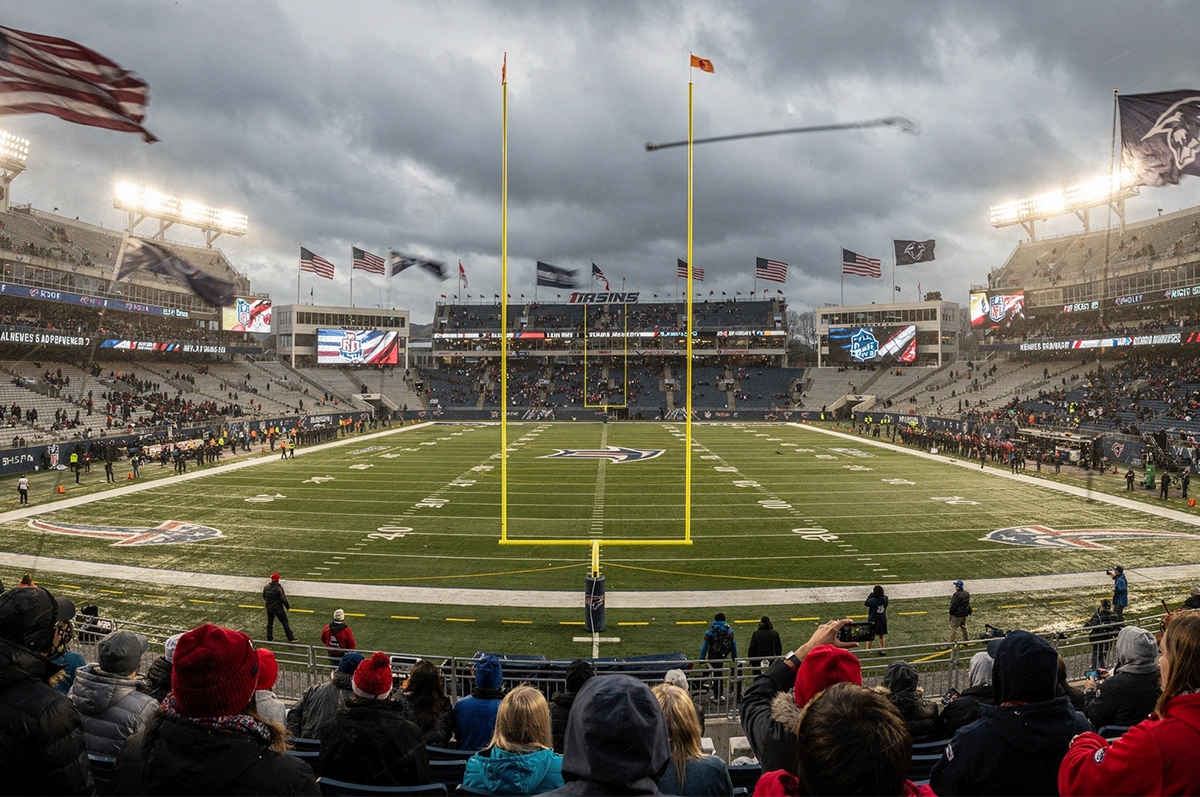
Pace of play is the single most important variable in totals analysis. Teams that play fast – running more possessions in basketball, executing more plays in football – generate more scoring opportunities for both sides. A basketball game between two top-five pace teams naturally trends higher than a game featuring two methodical, defensive-minded squads. Pace metrics are widely available and should be your starting point for totals handicapping.
Offensive and defensive efficiency determine what happens with those possessions. A high-pace team that shoots poorly and plays bad defence might actually produce lower totals than a moderate-pace team with elite shooting. The interaction between pace and efficiency creates the actual scoring environment. Two efficient offences and weak defences suggest high scoring; two elite defences suggest low scoring; mismatched combinations require more nuanced analysis.
Weather dramatically affects outdoor sports totals. Wind is the primary culprit, disrupting passing in football and turning fly balls into outs in baseball. Wind speeds above 15 mph measurably suppress scoring, particularly for pass-heavy NFL offences. Rain and snow further complicate ball handling and field conditions. Extreme cold affects grip and kicking accuracy. Indoor venues and domed stadiums eliminate these variables, which is why indoor games typically carry higher totals than equivalent outdoor matchups.
Injuries and lineup changes can shift totals significantly. A starting quarterback going down might drop an NFL total by 3-4 points as the backup’s limited production affects both team’s scoring opportunities (the opponent scores less when playing conservatively with a lead). A star scorer’s absence lowers basketball totals. A starting pitcher scratched in baseball completely reshapes the expected run environment. Monitor injury reports closely before betting totals.
Scheduling and fatigue influence totals in basketball particularly. NBA teams on back-to-back games, especially the second night of a road back-to-back, show measurable performance declines. Tired legs lead to worse shooting, which typically pushes totals under. Conversely, rested teams often start games with high energy and strong shooting percentages. The scheduling angle provides consistent totals value across the long NBA season.
Sport-Specific Totals Strategies
NFL totals range typically from the low 30s to low 50s depending on the matchup. Key numbers matter less in totals than in spreads, though certain combined scores (41, 43, 44, 47, 51) appear slightly more frequently due to common scoring combinations. Weather is paramount – check wind and precipitation forecasts for outdoor games. Vegas indoor teams and dome games consistently trend higher. Monitor quarterback matchups carefully, as elite passers facing poor secondaries create obvious over spots while rookie quarterbacks or heavy run teams suggest unders.
NBA totals have climbed significantly over the past decade, now frequently sitting above 220 for pace-heavy matchups. The league’s evolution toward three-point shooting and fast breaks has pushed scoring expectations higher. Back-to-back fatigue, rest advantages, and blowout potential all affect NBA totals. Blowouts tend to slightly lower scoring as winning teams coast and losing teams surrender possessions – a consideration for very large spreads where lopsided fourth quarters might suppress total points.
MLB run totals typically fall between 7 and 10 runs, heavily influenced by starting pitchers. Aces facing weak lineups create under opportunities; struggling pitchers in hitter-friendly parks suggest overs. Ballpark factors matter enormously – Coors Field in Denver inflates totals while pitcher-friendly venues like Oracle Park suppress them. Wind direction at outdoor stadiums affects home run probability and thus total runs. Bullpen quality becomes critical for late-game projections, particularly in live betting situations.
NHL goal totals usually sit between 5 and 6.5 goals. Goaltender matchups drive hockey totals more than any other position affects any other sport’s totals. A backup goalie facing a hot offence is the clearest over signal in hockey. Power play and penalty kill percentages matter because special teams create disproportionate scoring opportunities. Low-scoring playoff-style games where teams play conservatively often push unders, while high-event regular season games between weak goaltending teams favour overs.
Common Totals Mistakes
Chasing recent results leads many bettors astray. A team’s last five games went over, so obviously this game will too, right? This logic ignores that five games is a tiny sample, and the market already incorporates recent scoring trends into the current line. The over/under for today’s game reflects expectations based on all available information – you need a reason to believe the market has mispriced it, not just backward-looking pattern matching.
Ignoring market adjustments costs bettors value. If a total opens at 48 and moves to 50 by game time, the market has incorporated new information. Betting the over at 50 is a fundamentally different proposition than betting it at 48. Always check line movement before betting and understand why the number has moved. Sharp money pushing a total up typically indicates informed opinion that the game will score higher than originally projected.
Public over bias creates opportunities for contrarian under betting. Casual bettors prefer action-packed high-scoring games and gravitate toward overs psychologically. This tends to push over lines slightly higher than warranted, creating systematic value on unders. The effect varies by sport and situation – marquee primetime games with heavy public attention show more over bias than low-profile afternoon matchups.
Failing to adjust for context leads to misguided bets. A high-powered offence facing a terrible defence seems like an obvious over, but if the spread is 14+ points, expect the favourite to play conservatively in the second half with a comfortable lead. Running the clock, playing backups, and avoiding risk reduces total scoring in blowouts. Similarly, games between evenly matched teams with playoff implications might feature cautious play that suppresses scoring despite offensive talent.
Neglecting closing line value prevents improvement over time. If you bet an over at 48 and the line closes at 49.5, you captured value regardless of the game’s outcome. Conversely, if you bet at 48 and it closes at 46.5, you likely made a mistake that the market eventually corrected. Track your closing line value on totals bets to assess the quality of your predictions independent of short-term variance.
Building a Totals Approach

Start by developing pace and efficiency models for your preferred sports. Understand which teams play fast, which play slow, which score efficiently, and which defend well. These fundamentals predict total scoring better than gut feelings or recent results. Free resources abound online for pace metrics, offensive and defensive ratings, and historical totals trends.
Incorporate weather monitoring into your NFL and MLB analysis. Bookmark a reliable weather forecast site and check conditions for outdoor games the morning of the event. Wind, precipitation, and temperature extremes all affect totals in predictable ways that the market sometimes fails to fully price.
Track line movement from opening to close. Sharp money often moves totals early in the week, while public money arrives closer to game time. If a total drops from 52 to 49 during the week but then climbs back to 51 as kickoff approaches, sharp bettors likely took the under at 52 while the public pushed it back up. These patterns help identify which side holds value.
Specialise in specific sports or leagues where you can develop genuine expertise. Totals betting rewards deep knowledge of team tendencies, coaching philosophies, and situational factors. A generalist approach spreads attention too thin. The bettor who intensely studies NBA pace and efficiency will outperform the bettor who casually bets totals across every sport.
Finally, accept that totals volatility is inherent. A blocked field goal, a last-second three-pointer, an empty-net goal in the final minute – these random events swing totals outcomes in ways that spread or moneyline bets do not experience. A single score changes a total result. Embrace this variance as the price of a betting market that offers unique analytical opportunities unavailable in other bet types.